
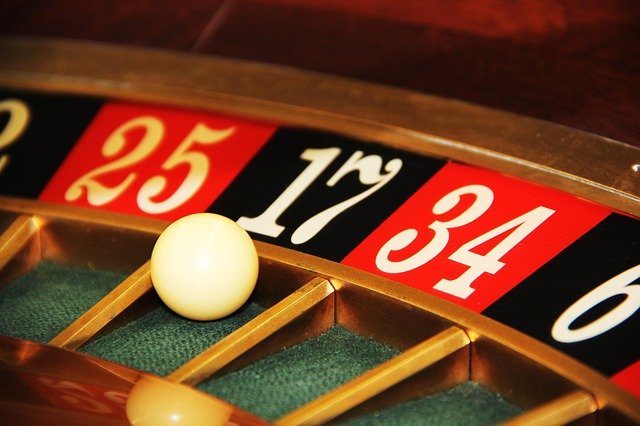

Gambling involves placing bets on either money or other valuable items in a situation or game that’s outcome isn’t known. The main purpose of playing is the chance to earn money or material. The problem associated with gambling is known as pathological gambling (compulsive gambling or gamble addiction/disordered gambling).
The American Psychiatric Association has defined and acknowledged gamble as an illness characterized by a pattern of persistent gambling, regardless of negative psychological, physical, and social effects. The act of gambling that can cause substantial harm to one’s self and others is referred to as problem gambling.
A study suggests that approximately 1.6 percent of North American adults are gambling disorders and 3.9 percent could be considered to be problematic gamblers, which brings the total percentage of people who have a disordered gambling disorder to less than 5 percent.
The majority of gambling is experienced by men, but recently female gambling participation is also being observed. A Finnish survey of the population found that men gamble more frequently to have fun as well as entertainment and enjoyment while women gambled more frequently than men to earn cash. Gamblers tend to engage in things like lottery, scratch card gambling on sports, slot machines gambling cards, roulette, money, or playing online. Many women gamble as it provides a way to escape from emotional turmoil and boredom.
Many who suffer from gambling disorders might have been able to gamble away their home, or accrued huge debts to the point that they’re no longer in a position to pay mortgage or rent. They could lose contact with their spouse, family members as well as their children, and may end up in a state of being homeless or down, or suicide-prone. The act of lying to family members and friends about their gambling habits is a characteristic that is common to other addictions. People with gambling disorders can be entangled with criminal activities or violence due to a desperate need to recover the money lost. The risk associated with these actions highlights the need for prompt intervention as well as treatment. Researchers have discovered that pathological and problematic gambling is more common in those who are alcohol addicts than in the general population.
How can you identify someone who has a gambling disorder?
Gamblers with a compulsive problem are required to keep gambling to recoup their losses in contrast to players who quit when they lose money or have an amount of loss. The pattern gets more destructive with time. Someone who is addicted to gambling might exhibit the following behaviors and signs
Gaming addiction
Always preparing to earn more gambling cash
It is necessary to bet more money to keep the excitement
I tried to control my gambling but was unable to stop gambling
The more you gamble, the more you can make money.
Friendships are at risk due to gambling
The loss of a job, opportunity, or responsibilities as a result of gambling
Gaming to ease the guilt, helplessness as well as depression
Refusing to use fraud to collect money for gambling
lying to family members about the amount of gambling
Need help with financial difficulty because a person has bet the money
What are the possible sources of gambling?
The possible causes of gambling could include
Bipolar Disorder (extreme changes in mood)
Thrill-seeking behavior
Disorders of the mood
Schizophrenia (abnormal understanding of real-life)
Disorder of the personality antisocial
Alcohol dependency
Is gambling disorder treatable?
Gambling is treated and managed by a health expert just like any other addiction. Someone who is addicted to alcohol is examined for signs of problems as well as pathological gaming. There are many ways to combat gambling addiction. The customized therapy plans will be provided to addicts who are addicted to alcohol by focusing on gambling as a part of their daily life. The options for treatment are
Treatments that are not pharmaceutical some therapies are the primary ones for treating gambling disorders, like
Therapy for behavioral disorders
Cognitive therapy
Cognitive-behavioral therapy
Medication: There are no approved treatments for pharmacological problems that cause gambling. A person who is compulsive gaming has other problems that can be a cause, for example, Depression , obsessive-compulsive disorder (excessive thoughts that lead to repetitive behavior). So, the psychiatrist can prescribe
Antidepressants
Mood stabilizers
Antipsychotic drugs
Opiate antagonists (naltrexone and Nalmefene)